

From a real challenge to a working system.
We partner with your team to understand the work, decide where technology can help and build a useful first system. The people who will use it stay involved throughout.
Start with one real challenge.
We listen first, agree a useful first scope, build and test it with your team, connect it to the real work, then measure what changed.
Five steps from first call to working system.
Each step ends with something your team can see and judge, so you always know where the work stands.

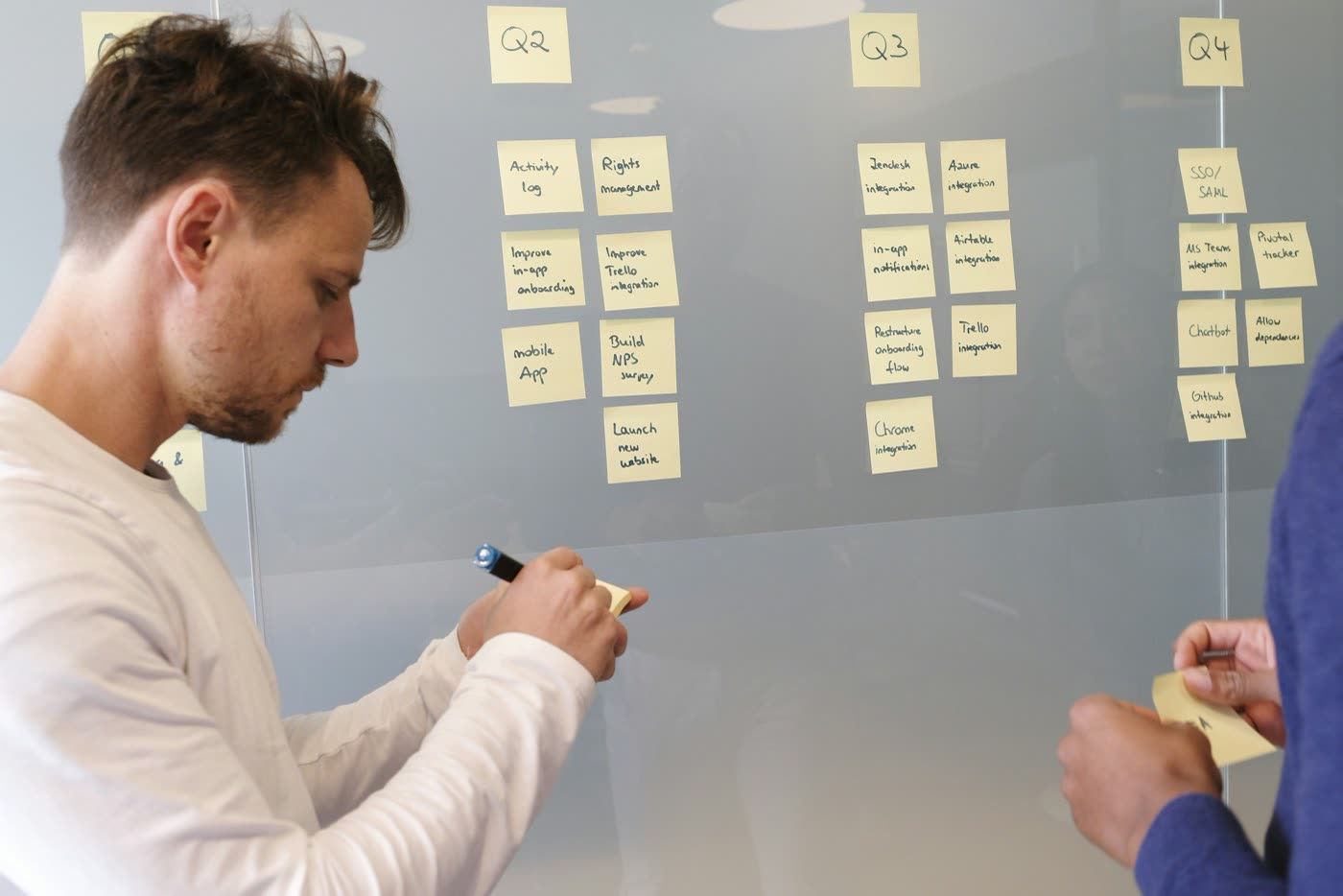
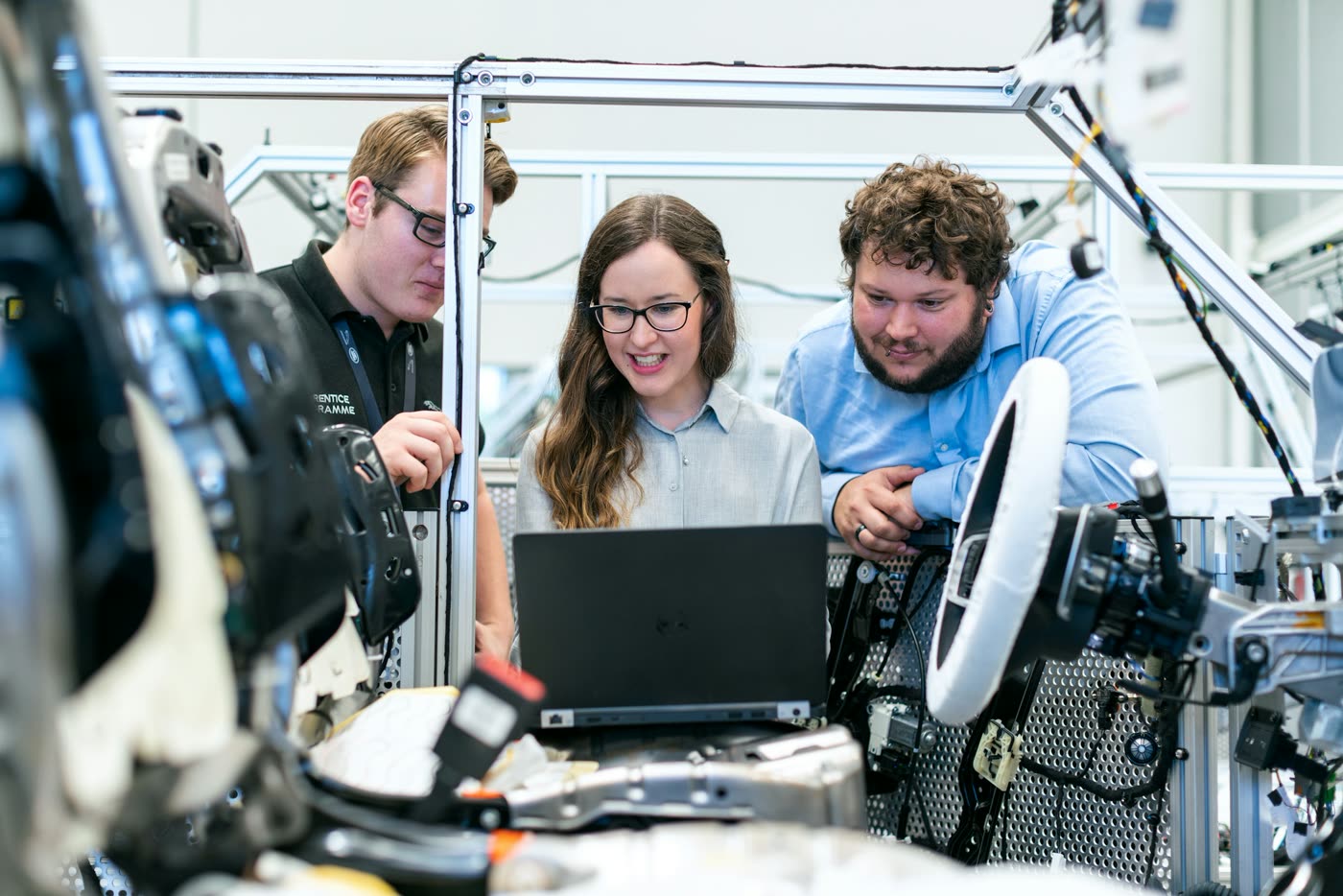


Tell us what you want to achieve, where work gets difficult and what you have already tried. We ask about the people, systems and constraints involved.
We look at the relevant tools, information and operating conditions with your team. Together, we define what the first system should do, who it serves and how we will judge the result. Before delivery begins, we agree on scope, responsibilities, access, timing, commercial terms and the decisions that remain with people.
We design and build around the agreed workflow or experience. Your team reviews the work as it develops, and we test it against the situations it needs to handle. That includes uncertainty, exceptions and the point where a person should take over.
We integrate the system with the agreed tools, information and equipment. We work through access, handoffs, operating guidance and readiness with the people responsible for it.
We compare the result with the outcome and starting measures agreed for the project. Depending on the scope, that might mean time spent coordinating work, the speed of a response, reliability or the quality of an experience. We use what the team learns to decide what to improve next. Where an ongoing partnership makes sense, we keep testing and improving with you.

Start small. Make it real.
Photo · PexelsWhat you can count on from us.
We work alongside your team from the first conversation through testing, measurement and improvement. Six commitments, in the order you will feel them: technical depth, with people in mind.
We listen first.
- 01We start with your problem.We learn how your team actually works before we suggest anything.
- 02You agree what we see.Access and scope are agreed together before any work begins.
You decide.
- 03People stay in charge.Our systems suggest. Your people decide, and every suggestion shows why.
- 04Small first, real from the start.A first scope small enough to learn from and real enough to matter.
We keep going.
- 05We measure what changed.We test against the outcome you care about and share what we learn.
- 06We stay on.We keep improving it with you after launch, and we are honest if we are not the right fit.


Two ways to start.
Start with a first scope. Stay on as partners when it helps.
Start with one real challenge, small enough to learn from and real enough to matter.
- Format
- Working sessions with your team
- Length
- Agreed together
- Who Joins
- The people who do the work
- You Leave With
- A scoped first project
We stay on as partners, and keep testing, measuring and improving with you.
- Format
- Regular reviews and improvement cycles with your team
- Length
- Agreed together
- Who Joins
- Your owners and our team
- You Leave With
- Systems that keep improving
Questions we hear often.
If yours is not here, ask us. We reply from admin@mirrorfactory.ai, usually with a few questions of our own.
Ask Us A Question →How does a project start?
With one real challenge. We explore a useful first scope with you, small enough to learn from and real enough to matter, then build, test and keep improving together.
What does a first scope cost?
We agree the scope and fee together, before any work begins.
Do we need new hardware or software to start?
Usually not. Most first scopes begin with the tools, data and equipment you already have. We recommend new pieces only where they clearly help.
Who should join the sessions?
The people who do the work, and whoever owns the decision.
Does giving a business eyes mean watching people?
No. It means relevant visibility and context, with access and scope agreed together. Where people are involved, a system can count without identifying anyone, and the people using it stay in charge.
What if we are not the right fit?
We will say so, and suggest what might help instead.
You do not need a finished brief.
Bring one challenge, the outcome you care about and a little context about the people and systems involved. We will take it from there together.
Schedule A Consultation
Pick a time that suits you. Tell us a little about the challenge, and we will come with a few questions.